Nursing is one of the most demanding, meaningful, and chronically under-appreciated professions in the world. These audiobooks address what nurses actually need — tools for managing emotional exhaustion, finding meaning in difficult work, developing leadership skills, and maintaining the self-care that makes sustainable nursing possible. Listen during your commute, your break, or your recovery after a brutal shift.
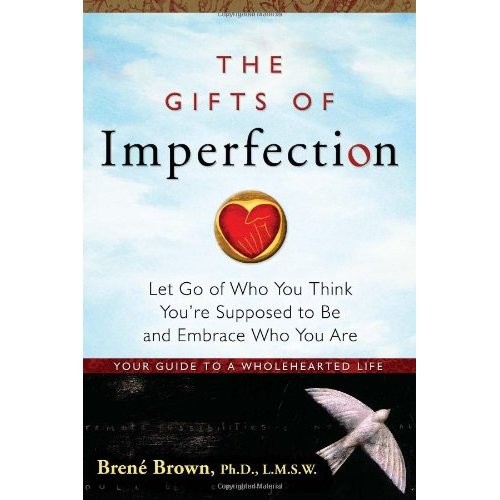
Researcher Brené Brown's warm, research-backed guide to wholehearted living is essential reading for helping professionals who consistently put everyone else's needs first. Brown's exploration of shame, vulnerability, worthiness, and belonging addresses the perfectionism and emotional exhaustion that many nurses carry as occupational hazards. Her ten guideposts for wholehearted living provide a practical framework for sustainable compassion rather than compassion fatigue.
Nurses who tie their worth to perfect outcomes and who carry the weight of every patient loss will find Brown's framework for self-compassion professionally and personally transformative.
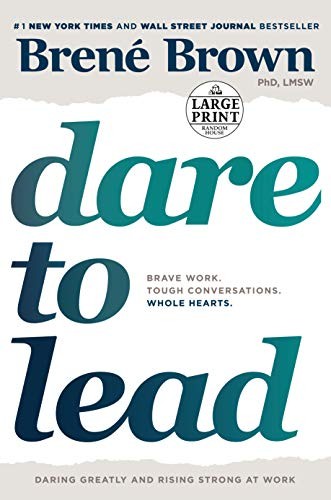
Brown's research-backed leadership framework is built on courage and vulnerability rather than authority and compliance. For nurse leaders and charge nurses, Dare to Lead provides the specific skills for having difficult conversations, building trust on a team, and leading through uncertainty — all skills that matter enormously in healthcare settings. Narrated by Brown herself with her characteristic warmth and occasional laugh-out-loud honesty.
Nurses moving into leadership roles often feel underprepared for the human complexity of managing colleagues. Brown's vulnerability-based leadership model provides a framework that feels authentic to caring professionals.

Neurosurgeon Paul Kalanithi's memoir of living and dying with terminal cancer is a gift to every healthcare worker who has wondered whether their work matters. Written as he was dying, Kalanithi's reflections on what makes medicine meaningful, what patients actually need, and how to live fully while facing death will reset your perspective on the weight and privilege of healthcare work.
Nurses who have lost touch with why they chose this path will find Kalanithi's perspective — from inside the healthcare system, now as a dying patient — profoundly moving and reconnecting.
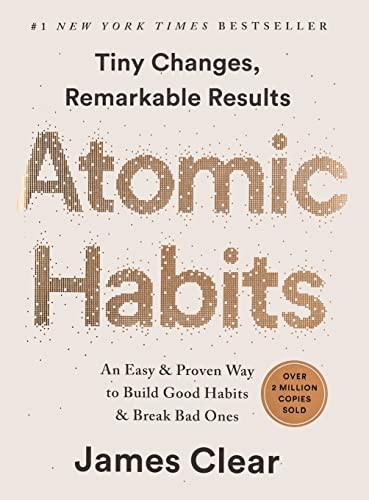
For nurses working irregular shifts and fighting exhaustion, building consistent self-care habits is genuinely difficult. James Clear's system for making good habits automatic — by changing environment, reducing friction, and focusing on identity rather than outcomes — is particularly valuable for healthcare workers who can't rely on motivation or regular schedules to maintain healthy behaviors.
Shift workers who struggle to maintain healthy habits will find Clear's environment-design approach far more effective than willpower-based strategies that collapse under nursing's irregular demands.
 Audiobooks Arcade