The transition from individual contributor to manager is one of the most difficult career pivots anyone makes. Suddenly you're responsible for other people's work, growth, and happiness — and nobody gives you a manual. These audiobooks are that manual. Listen to what the best managers have learned so you don't have to learn it all the hard way.
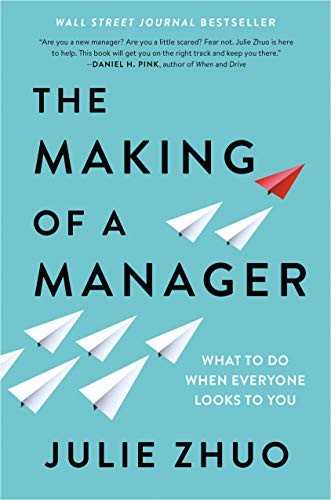
Facebook VP of Product Design Julie Zhuo became a manager at 25 with no training and had to figure it out on the fly. This audiobook is the guide she wished she'd had — honest, warm, and full of specific advice on running meetings, giving feedback, hiring, and developing your team. Unlike most management books written by seasoned executives, Zhuo speaks directly to the experience of someone who is new, uncertain, and just trying to help their team succeed.
New managers who feel imposter syndrome will find Zhuo's vulnerability and specificity deeply reassuring and immediately practical.
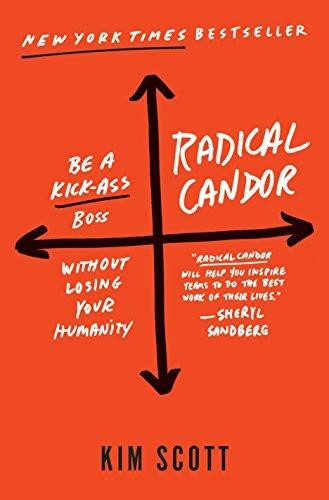
Former Apple and Google executive Kim Scott introduces Radical Candor — the philosophy of caring personally about your team members while challenging them directly. Scott's 2x2 framework helps managers understand the difference between Radical Candor (best), Ruinous Empathy (most common failure), Obnoxious Aggression, and Manipulative Insincerity. Narrated by Scott herself with warmth and humor, this is the most important management audiobook of the last decade.
New managers almost always default to Ruinous Empathy — being too nice to give honest feedback. Radical Candor gives them permission and a framework to tell the truth kindly.
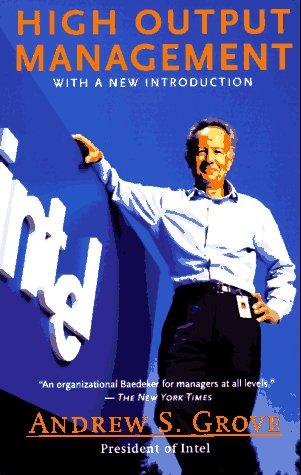
Intel CEO Andy Grove wrote what is widely considered the best management book ever written. Grove applies the principles of manufacturing efficiency to knowledge work — treating managerial output as the aggregated output of the team, not the individual. Dense with practical frameworks for 1:1 meetings, performance reviews, decision making, and measuring managerial effectiveness, this audiobook rewards multiple listens as your management career develops.
Grove gives new managers a rigorous intellectual framework for what management actually is — maximizing team output — and how to measure whether you're succeeding.
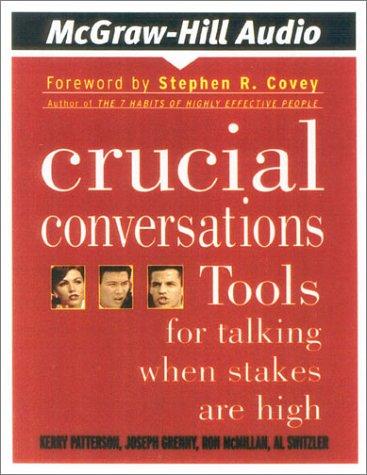
Most managers dread difficult conversations — and handle them badly when forced into them. Crucial Conversations provides a complete framework for navigating high-stakes discussions where emotions run high and opinions differ. The STATE skills (Share your facts, Tell your story, Ask for their path, Talk tentatively, Encourage testing) give managers a reliable structure for conversations that others avoid. Essential for performance reviews, conflict resolution, and delivering bad news.
New managers who find difficult conversations paralyzing will find Crucial Conversations gives them specific language and structure to enter those conversations confidently.

Stripe engineering leader Will Larson shares the systems thinking approach to engineering management that has made him one of the most respected engineering leaders in Silicon Valley. Covering team sizing, technical debt, migrations, organizational design, and career development, this is the definitive guide for software engineers who've moved into management and need to think about organizational systems rather than individual code.
New engineering managers specifically will find Larson's frameworks for team sizing, technical debt, and organizational design immediately applicable to their daily challenges.
Told as a business fable, Lencioni's bestseller identifies the five root causes of team failure: absence of trust, fear of conflict, lack of commitment, avoidance of accountability, and inattention to results. The pyramid model showing how each dysfunction builds on the previous one gives new managers a diagnostic tool for understanding exactly what's wrong with a struggling team — and a clear path to fix it.
New managers who inherit a dysfunctional team — which is most new managers — will find Lencioni's model instantly explains what they're experiencing and what to do about it.
 Audiobooks Arcade