Medicine demands more than clinical knowledge — it requires communication, leadership, resilience, and the ability to make decisions under uncertainty. These audiobooks span medical narrative, physician leadership, patient communication, and the personal skills that clinical training rarely covers but every doctor desperately needs.
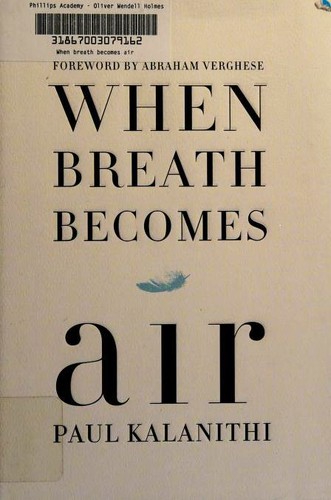
Neurosurgeon Paul Kalanithi was 36 and approaching the end of his residency when he was diagnosed with terminal lung cancer. This memoir — unfinished at his death and completed by his wife Lucy — is one of the most beautiful and devastating books ever written about medicine, mortality, and what makes a life meaningful. Required reading for every physician who has forgotten why they went into medicine — or who needs reminding what their patients are experiencing.
Doctors who have become numb to the weight of their patients' experiences will find Kalanithi's perspective from both sides of the stethoscope profoundly humanizing.
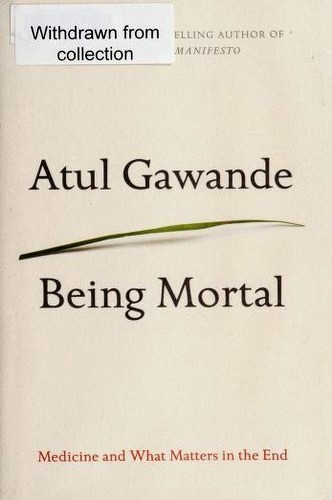
Surgeon and New Yorker writer Atul Gawande examines how medicine consistently fails patients at the end of life by prioritizing length of life over quality of life. Drawing on his own experiences with patients and his father's terminal illness, Gawande argues that good medical care must include honest conversations about what patients actually want — and that failing to have those conversations is a profound medical failure. One of the most important books written about modern medicine.
Doctors in every specialty will recognize the situations Gawande describes and gain frameworks for having the honest conversations about death and dying that medical training never teaches.
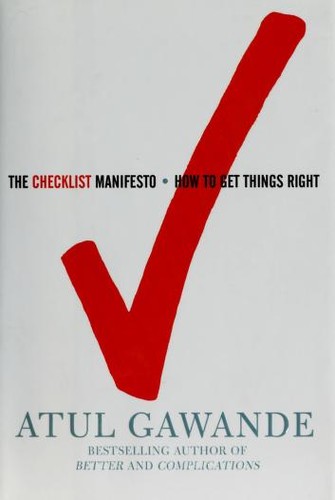
Gawande's investigation into how aviation's checklist culture dramatically reduced pilot error — and how applying the same principle to surgery reduced major complications by 36% in one trial — is both a medical story and a universal argument for systematic approaches to complex work. This audiobook has literally saved lives since its publication, as hospitals worldwide adopted surgical safety checklists. Essential for any physician who thinks their expertise makes checklists unnecessary for them.
Doctors who believe their expertise protects them from the errors that affect other professionals will find Gawande's evidence both humbling and immediately actionable.
Gawande's debut collection of essays on the uncertainty, fallibility, and complexity of modern medicine remains one of the most honest accounts of what it actually means to practice surgery. From the learning curve of new procedures to the mystery of pain to the experience of dying, these essays confront the gap between what medicine promises and what it can deliver with unflinching honesty and deep humanity.
Medical students and early-career physicians will find Gawande's honest account of learning under pressure, making mistakes, and navigating uncertainty deeply validating.
 Audiobooks Arcade