College is the last time you'll have the freedom to learn almost anything without immediate consequences. These audiobooks cover money, habits, relationships, career strategy, and the big ideas that will shape how you think for the rest of your life. Listen between classes, at the gym, or while cooking ramen at midnight.
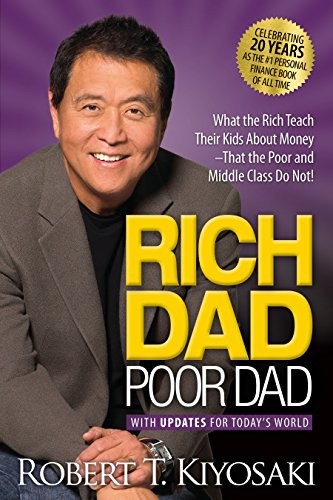
The book that redefined financial literacy for a generation. Kiyosaki contrasts the money mindset of his highly educated but financially struggling biological father with the practical wealth wisdom of his best friend's father who never finished school but became a millionaire. The core lesson — assets put money in your pocket, liabilities take money out — is deceptively simple but completely transformative for anyone raised on the conventional earn-save-retire narrative.
College students are about to enter the financial system. Understanding assets versus liabilities before taking your first job changes everything about how you build wealth.
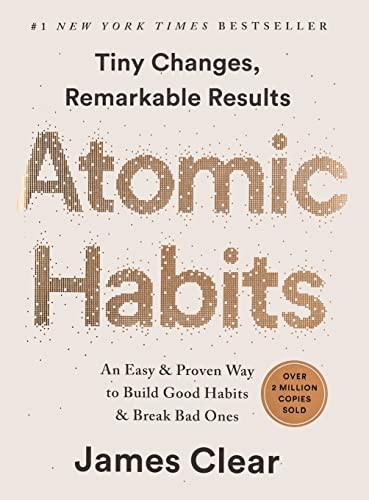
James Clear's framework for building systems that make good behavior automatic and bad behavior difficult is the most practically useful self-help book of the last decade. Clear argues that tiny improvements compound dramatically over time — 1% better every day makes you 37 times better in a year. For college students developing study habits, fitness routines, and work ethic, this audiobook provides the exact mechanism for making positive change stick.
College is the perfect time to install great habits. Atomic Habits gives students the exact system to make studying, exercise, and healthy eating automatic rather than effortful.
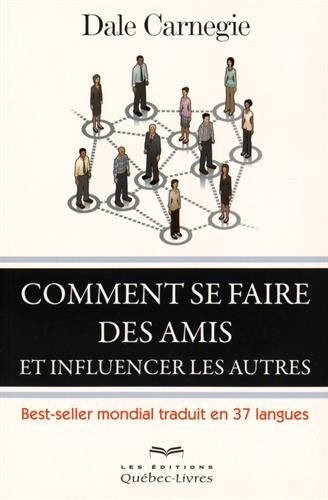
Published in 1936, Carnegie's timeless guide to human relations is as relevant as ever. The principles — genuinely interest yourself in other people, smile, remember names, listen more than you talk — sound obvious but are practiced by almost nobody. For college students building their professional network and social confidence, mastering these skills will pay dividends for decades. The most recommended book by successful people across every field.
College students who master interpersonal skills get more internships, better references, stronger networks, and more opportunities than equally skilled students who don't.
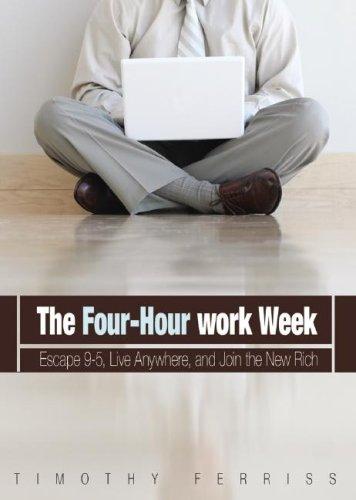
Tim Ferriss's manifesto for designing life on your own terms challenges every assumption about work, retirement, and success. His DEAL framework — Definition, Elimination, Automation, Liberation — gives readers a step-by-step path to working less and living more. For college students about to enter the traditional career path, this is the most important book to read before you make any commitments about how you want to structure your working life.
Reading this before your first job helps you question whether the conventional career ladder is actually what you want — and gives you alternatives before you're locked in.
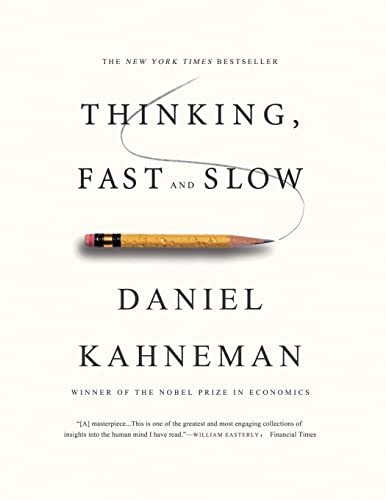
Nobel Prize-winning psychologist Daniel Kahneman reveals the two systems that govern human thought: System 1 (fast, intuitive, emotional) and System 2 (slow, deliberate, logical). Understanding these systems — and the cognitive biases that result from their interaction — makes you a better decision maker, thinker, investor, and human being. One of the most important books of the 21st century for anyone who wants to understand themselves and others.
College students learning to think critically, make financial decisions, and evaluate evidence will find Kahneman's framework immediately applicable to academic and life decisions.
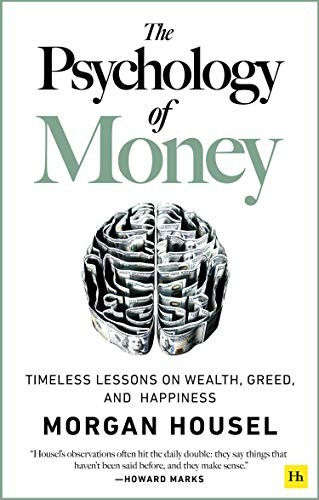
Morgan Housel argues that financial success has less to do with intelligence than with behavior. Through 19 short stories, Housel covers compounding, risk, luck, greed, and the pursuit of enough in a way that no traditional finance textbook ever approaches. The most readable and insightful personal finance book published in the last decade — and one that applies equally whether you have $500 or $5 million.
College students starting their financial lives need to understand money psychology before they understand investment strategy — and this is the perfect starting point.
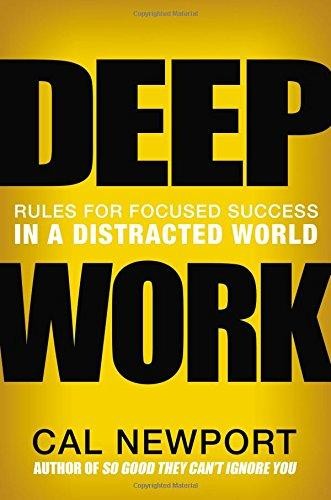
Cal Newport makes the case that the ability to focus without distraction is becoming the most valuable skill in the economy — precisely as smartphones and social media make it increasingly rare. Newport provides a philosophy and practical rules for cultivating deep work: long uninterrupted blocks of cognitively demanding work that produces extraordinary results. Essential for college students trying to study effectively in an environment designed to distract them.
College students who master deep work will outperform classmates who study twice as many hours but remain distracted. This skill compounds throughout a career.
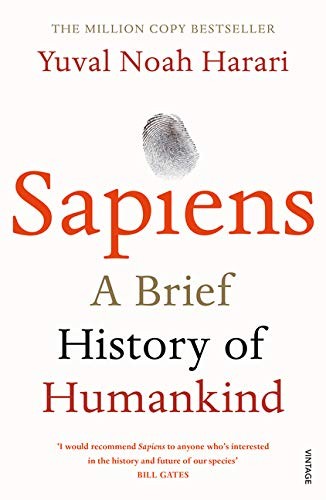
Harari's sweeping account of human history from the cognitive revolution 70,000 years ago to the present day challenges almost everything you think you know about humanity. Why did Homo sapiens conquer the world? Why do we believe in money, nations, and human rights? What makes us different from every other species? The most intellectually stimulating popular history book of the century, now listened to by tens of millions worldwide.
College students across every major will find Sapiens challenges their assumptions about society, economics, religion, and human nature in ways that deepen every subject they study.
 Audiobooks Arcade